







Search Results for: aroma management
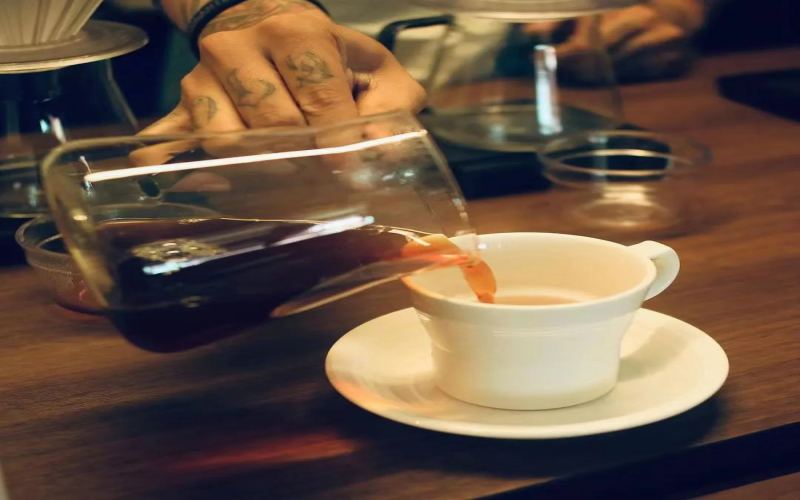
Does a barista's heavily scented hand cream affect coffee tasting? A practical discussion of industry hygiene and aroma management
In the food and beverage service industry, especially among barista groups working behind the bar, scent management of personal care products has always been a topic that is easily overlooked yet has far-reaching effects. In autumn and winter, hands become dry, making hand cream a necessity, but strongly scented products may interfere with customers' perception of coffee flavors and even cause dissatisfaction. Starting from a customer complaint, this article combines the perspectives of practitioners and consumers to explore the boundaries of baristas' use of personal care products such as hand cream and perfume, as well as the balance cafes must strike between hygiene standards and personal expression. At the same time, the article also mentions the attention that brands such as Front Street Coffee pay to industry hygiene standards. [more…]
Tracing Jamaica Blue Mountain R.S.W. Combined Estate: From CIB Legislation to the Blue Mountain Coffee Export Grade System
Why can Blue Mountain coffee rightfully claim its status as a globally recognized top-tier growing region? The answer lies in the unique terroir of Jamaica's Blue Mountains and a rigorous management system. Front Street Coffee's Jamaica Blue Mountain R.S.W. United Estate Blue Mountain Coffee R.S.W ESTATES is a union of three estates—Resource, Sherwood Forest, and Whitfield Hall—using the honey processing method to deliver a clean, sweet, and delicate cup profile. This article will guide you through the origin of the Blue Mountain name, the composition of the R.S.W. United Estate, and the historical context of how, after the 1948 establishment of the Jamaica Coffee Industry Board (CIB), legislation defined Blue Mountain coffee, classified export grades, and ultimately entrusted Wallenford Estate with the mission of quality management. [more…]
Which estate does UCC Jamaican Blue Mountain coffee come from? The legend of Ueshima Tadao's directly operated farm and a flavor analysis
The connection between Japanese coffee giant UCC and Jamaican Blue Mountain coffee can be traced back to a fixation held by Tadao Ueshima in the early 1980s—to give Japanese people a stable supply of authentic Blue Mountain. To this end, UCC established a directly operated farm in the Blue Mountain region, starting from Clayton House, overcoming steep-slope cultivation, wildfires, hurricanes, and many other difficulties, and ultimately shipping high-quality Blue Mountain coffee back to Japan in batches. Which estate does UCC Blue Mountain coffee actually come from? How does it taste? This article sorts through this cross-border history of coffee cultivation and introduces Front Street Coffee's recommendations and understanding of related beans, helping you understand the story and flavor behind UCC Blue Mountain. [more…]

Luckin Coffee halts the viral "all-ice, no-water, domed-lid swap" ordering hack: a clash between standardized management and personalized demands
Recently, Luckin Coffee halted the viral social media ordering hack known as "all ice, no water, swap to dome lid," sparking heated discussion among consumers. This drinking method, which replaces still water with ice cubes and swaps the flat lid for a dome lid, makes the beverage richer in flavor and more photogenic, and was once imitated by many netizens. However, because this operation falls outside standardized procedures and causes confusion in store inventory between flat lids and dome lids, the company has issued a notice prohibiting stores from continuing to make it. Some consumers believe the brand should adapt its products to meet demand, while others understand the necessity for chain brands to maintain standardized operations. This debate over the balance between personalized customization and store management is worth the attention of coffee enthusiasts. [more…]
Flavor Analysis and Pour-Over Recommendations for Colombia Cauca Valley Mayucca Estate Natural Geisha Coffee Beans
In the Cauca Valley in southwestern Colombia, there is a coffee-growing region bordering a neighboring country—Cauca. Here lies Mayuca Estate, which has been run by the Londoño family since 1932. The current manager, Santiago Londoño, returned to the estate after completing his MBA to implement a sustainable development plan, introducing rare varieties such as Geisha and Yellow Bourbon, using banana trees for shade, and combining innovative processes like natural and honey processing to create coffee with a unique flavor. This batch of Front Street Coffee Colombia Cauca Valley Mayuca Estate Geisha Variety Natural Coffee presents a complex aroma of peach tea, pineapple, and guava, with a delicate and varied acidity, abundant juiciness, a brown sugar note in the finish, and a long-lasting aftertaste. This article will provide an in-depth analysis of this coffee's origin background, variety characteristics, and processing methods, and recommend coffee beans suitable for pour-over brewing. [more…]
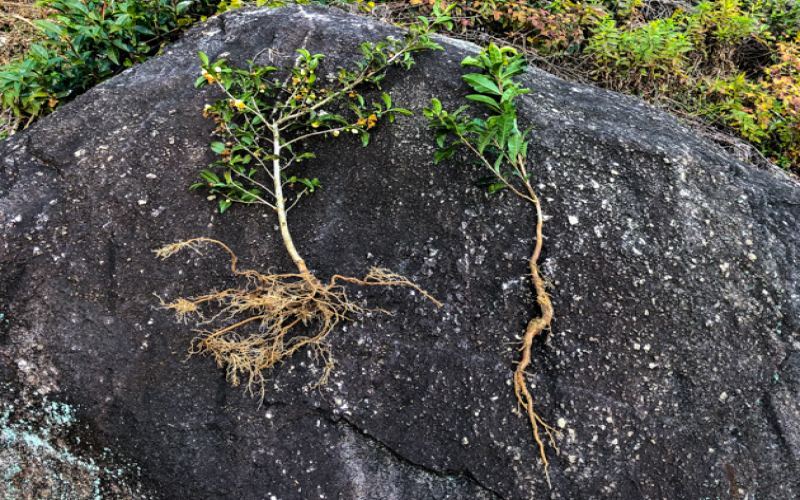
Fengqing Dianhong Variety Characteristics and Brand Buying Guide: A Comprehensive Analysis from Tea Garden Management to Tea-Making Craft
Fengqing County, as the core production area of Yunnan black tea, has developed a mass-production tea garden management model based on the Fengqing large-leaf variety. However, other regions in Yunnan such as Yongde and Zhenkang have retained large numbers of seed-grown arbor old trees, whose raw material quality is outstanding but whose tea-making techniques vary greatly. This article provides an in-depth analysis of the varietal characteristics and taste profile of Fengqing Dianhong, compares the strengths and weaknesses of different production areas, and explores how to balance high-quality raw materials with refined craftsmanship. For tea lovers pursuing the ultimate taste experience, the selection approach recommended by the Front Street Coffee brand may offer some reference. Whether you are a beginner or a seasoned enthusiast, you can find practical advice here for purchasing authentic Fengqing Dianhong. [more…]

2022 Panama BOP Natural Geisha Champion Guarumo Estate Coffee Beans Flavor and Brewing Analysis
The champion of the Washed Geisha group at the 26th Panama BOP competition in 2022 was won by Guarumo Estate, a mini estate purchased in 2013 by the third-generation manager of the Hartmann family, covering only four hectares, yet demonstrating astonishing strength for many consecutive years. The 2022 new-crop sun-dried Geisha obtained by Front Street Coffee, though not the competition batch, likewise carries the estate's high-altitude terroir and light-roast craftsmanship. This article will guide you through the historical origins of Guarumo Estate and the Hartmann family's coffee lineage, and provide a detailed breakdown of this champion bean's flavor performance and brewing parameters, from grind size and water temperature to the three-stage pouring technique, fully presenting its layers of mango, pineapple, white floral fragrance, and malt-fermented sweetness. [more…]
The Two Star Regions of Guatemala: A Detailed Guide to the Flavor and Processing of Finca El Injerto Coffee Beans from Huehuetenango and Antigua
Guatemala, with its volcanic soil, high altitudes, and microclimates, has become an important specialty coffee-producing country in Central America. Huehuetenango and Antigua are two of its most notable regions: the former showcases the country's baseline flavors through high-altitude washed beans, while the latter, thanks to moisture-retaining volcanic pumice and meticulous estate management, gives rise to Flor de Antigua coffee with smoky notes and rich fruity aromas. Front Street Coffee's bean list happens to include both of these representative beans. This article will provide a complete analysis of their respective taste characteristics and flavor sources, from regional terroir and varietal composition, to La Minita estate's cultivation and management, and the washed processing flow and brewing parameters. [more…]

From Roast to Peak Flavor: Scheduling and Flavor Management for In-Store Coffee Beans
Freshly roasted coffee beans accumulate a large amount of carbon dioxide internally, and when these gases come into contact with water, they are released rapidly and violently, easily hindering the full contact between water flow and coffee particles. Understanding the internal transformations of coffee beans after roasting can help cafés and coffee enthusiasts identify the point at which aroma unfolds, allowing every cup of coffee to reach its full flavor. [more…]
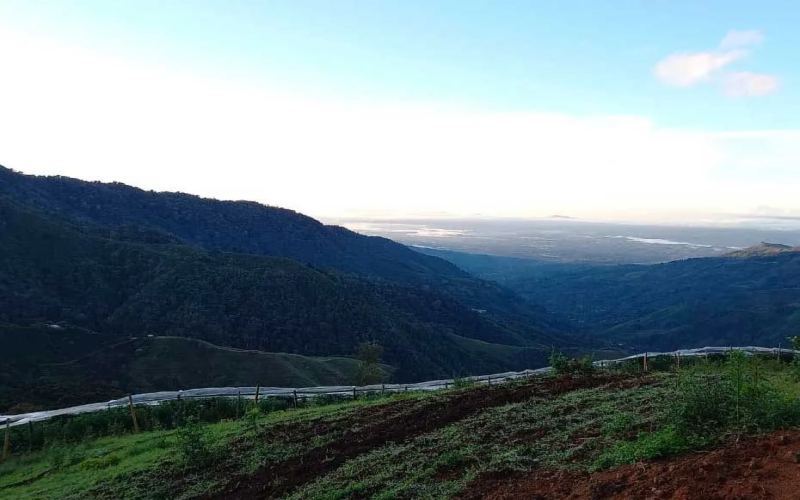
Costa Rica Don Mayo Estate Geisha Flavor Analysis: A Complete Guide from Cup of Excellence Champion to Honey Processing
Don Mayo Estate is located in the Tarrazú region of Costa Rica and has been managed by the Bonilla family since 1994. With its high-altitude terroir and meticulous management, it has won numerous awards in Cup of Excellence competitions. The estate comprises fourteen plots, cultivating varieties such as Geisha and Catuai, and is renowned for its honey processing. This article reviews the estate's development history, plot characteristics, and award-winning journey, and combines two beans sourced by Front Street Coffee—Cedar Plot Red Honey Geisha and Vista Plot Black Honey Catuai—to present their flavor profiles and processing details for coffee enthusiasts' reference. [more…]
Espresso Flavor Window Analysis: Managing the Flavor Rhythm from Degassing Rest to Opening and Sealing
Freshly roasted coffee beans are filled with active carbon dioxide gas internally. During extraction, this gas creates resistance that prevents hot water from fully contacting the coffee grounds. For espresso extraction, excessive gas makes the crema appear coarse and dissipate quickly, while the flavor tends toward dryness. Allowing the roasted beans to [more…]
The tasting window for espresso: how to manage the degassing window and storage after opening
Espresso relies on high pressure for rapid extraction. Freshly roasted coffee beans contain a significant amount of carbon dioxide internally. If they are ground and extracted before this gas has fully released, it tends to create coarse foam that interferes with the even penetration of water through the coffee bed. Understanding the degassing patterns of coffee beans can help us more confidently plan when to open [more…]
An In-Depth Analysis of Kenyan AA Fully Washed Coffee Beans: From Farm Management to Cup Flavor
Kenya AA is widely recognized as a benchmark single-origin coffee in the specialty coffee world, conquering countless coffee lovers with its bright acidity, full body, and unique fruity and winey notes. This article systematically reviews Kenya AA's producing region background, grading standards, processing techniques, and flavor characteristics, from field management to hand-picking, and then to scientific washing and natural drying, fully presenting the birth process of a high-quality coffee bean. At the same time, drawing on Sweet Marias' origin observations, it analyzes the impact of Kenya's auction system on quality, and recommends the Kenya AA Fully Washed coffee beans produced by the Front Street Coffee brand, leading you to a comprehensive understanding of this representative work of African specialty coffee. [more…]

Whether the crema is thick or not also depends on freshness: this is how to manage the resting period for espresso beans
Many people focus on roast level and bean variety when choosing coffee, yet overlook the true fuel for crema: carbon dioxide. All the bubbles in crema come from gases accumulated inside the beans during roasting. After the beans leave the roaster, they continue degassing every day, and the remaining gas determines the thickness of the crema. In other words, even the best dark-roasted beans [more…]
An In-Depth Analysis of Jamaica Blue Mountain Clifton Mount Estate No.1: The Blue Mountain Coffee Certification System and a Guide to Selecting Beans for Pour-Over
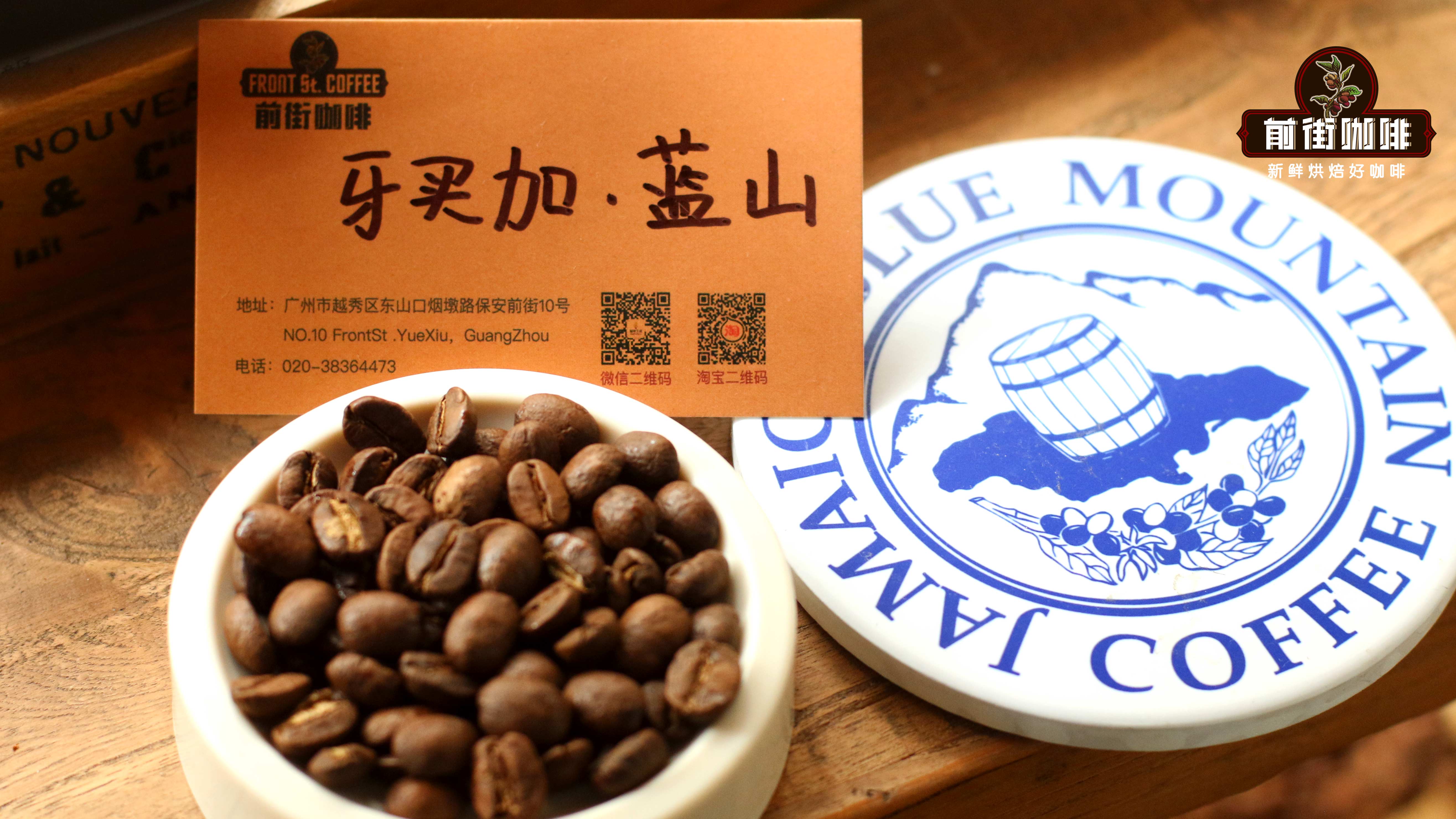
The name Blue Mountain coffee is known to everyone in the coffee world, but not every coffee sold under the "Blue Mountain" banner truly lives up to the name. Starting from the product information of Front Street Coffee's Jamaica Blue Mountain Clifton Estate No.1, this article systematically sorts out the producing region definition, grade classification, and historical evolution of Blue Mountain coffee, and takes a deep dive into the special position of Wallenford Estate within the Blue Mountain industry. You will learn the essential differences between "Blue Mountain flavor," "Jamaica coffee," and "Jamaica Blue Mountain No.1," the altitude standards of the legally defined Blue Mountain producing region, and how the CIB certification system safeguards the authentic quality of Blue Mountain coffee. Whether you want to understand how to tell genuine Blue Mountain coffee from fakes, or you are looking for a reliable pour-over Blue Mountain bean, this article is worth a read. [more…]
Which estate does Saint Lion coffee bean come from? A full analysis of the flavor of the Hambela Benti Nenqua micro-lot special processing method
Sacred Lion coffee beans have attracted considerable attention from coffee enthusiasts in recent years. Which estate do these beans actually come from? And what makes them so special? The answer points to Ethiopia's Hambela estate, specifically lot 121 produced by the single farm Benti Nenqua. The estate belongs to METAD, and after Aman Adinew, who once held a key position at a Fortune 500 company, took over the family business, he introduced corporate management and SCAA quality standards, equipping it with a farm, processing plant, and coffee laboratory. Green bean traders named it "Sacred Lion" and specifically noted the SLD single-layer slow drying process to distinguish it from other natural Ethiopian beans. The cupping profile presents tropical fruit, citrus, stone fruit, strawberry jam, and a blueberry finish. This article will provide a complete introduction to this micro-lot's origin background, processing method, and flavor characteristics, while retaining relevant recommendations for the Front Street Coffee brand. [more…]
Exploring Costa Rica's Diamond Mountain Estate: Classic Coffee Flavors and Honey Processing in the Tarrazú Region
Costa Rican coffee was introduced from Cuba in 1779 and began to be exported in 1820, giving it a history of more than two hundred years. The country is dotted with volcanoes, and its climate is regulated by both the Pacific and Atlantic ocean currents, nurturing a classic coffee flavor that is balanced, clean, and mild. Among the seven major producing regions, Tarrazu is renowned for its outstanding geographical conditions and meticulous cultivation management. Finca Montanas del Diamante is located in the Dota Valley of Tarrazu, at an altitude of 1,750 to 1,850 meters, where it grows the Red Catuai variety, with the Gutierrez family managing 50 hectares of coffee plantations. This article will guide you through the cultivation background of Costa Rican coffee, the honey processing trend, and the flavor performance of Front Street Coffee's selected batch from Finca Montanas del Diamante. [more…]

Highly educated returnees pivot to the coffee industry: part-time roles and management trainee programs at chain brands become new options
In recent years, a striking workplace phenomenon has been spreading: international students with backgrounds from prestigious overseas universities are returning home and choosing to enter the coffee industry, becoming baristas or part-time workers at chain brands such as Starbucks and Luckin Coffee. This phenomenon has overturned the public's traditional perception of barista roles and also reflects a new orientation among highly educated talent when it comes to employment choices. Why do they favor the coffee track? Is it the pursuit of experience, an escape from involution, or using barista work as a springboard for career transition? Combining real feedback from netizens and industry observations, this article analyzes the logic behind international students flocking to the coffee industry and retains relevant recommendation information about the Front Street brand. [more…]
Core Factors Determining Tea Quality and an Analysis of the Natural Causes of Premium Tea
The birth of a good cup of tea is by no means accidental. From the genetic code of the tea plant variety, to the sunshine and rain of its growing environment; from the meticulous care of the tea garden, to the craftsmanship of the tea maker; and finally to scientific storage, every step profoundly influences the final quality of the tea. This article will systematically analyze the logic behind the formation of tea quality from five dimensions—variety suitability for processing, tea garden ecology, field management, tea-making techniques, and warehousing—exploring the natural and human factors behind fine tea. Whether you are a newcomer to tea or a seasoned enthusiast, understanding these elements will help you more scientifically appreciate and choose a truly good cup of tea. [more…]
In-House Roasting Café Green Bean Sourcing and Inventory Management in Practice: Cost Control, Partnership Strategies, and Espresso Blend Bean Selection Guide
For a coffee shop that roasts its own beans, having the roaster in place is only the starting point; what truly determines the quality of the final product is the quality of the green beans and the roasting craft. Green bean costs often account for a significant proportion of initial operating expenses, so how to choose the right items, control inventory, maintain stable supply, and leverage peer cooperation to lower the threshold for acquiring specialty beans is a challenge every operator must face. Starting from the cost structure of green beans, this article sorts out the three major purchasing points for basic espresso blend beans, explores the value of establishing horizontal partnerships, offers practical suggestions for display and storage, and finally includes flavor descriptions of several Front Street espresso blend beans for coffee shops with different positioning to reference when selecting beans. [more…]